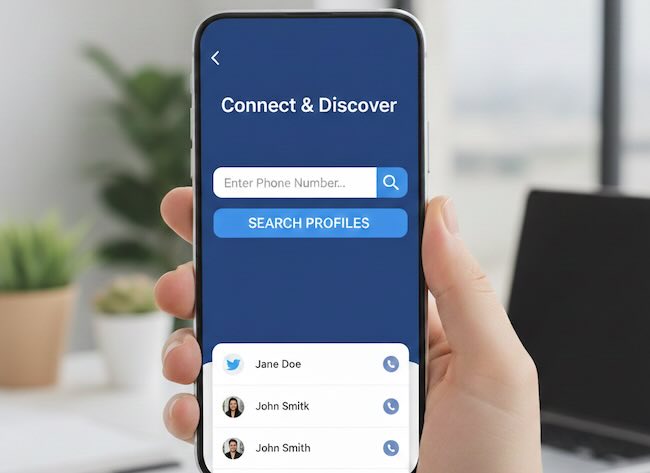
Phone numbers feel like perfect identifiers. They are unique, persistent, and tied to real-world devices. For years, many people believed that typing a phone number into a social network search bar would instantly reveal a profile.
Today, that assumption is mostly wrong.
Major platforms have significantly reduced public phone-based search. Privacy regulations, abuse prevention, and platform misuse forced changes. As a result, searching social profiles by phone number is no longer straightforward, and in many cases, it does not work at all.




 Facebook is constantly updating its inteface and settings configuration, so most of the How-To tutorials published in the various blogs are invalid now.
 Previously, we published
  If your Facebook page has at least 400 Likes, then you have a new opportunity for Facebook advertising – Promoted posts.
 As in any social network, Facebook is full of people who are not completely familiar with the privacy settings. If a person is engaged in serious business, and uses the Facebook page to attract customers, then open page is good, however, if the personal page is open to the public, it can lead to some problems, including hacking the page.